
Heritage-Rich Care for Modern Spines
Every community carries its own story of healing, rest, and recovery. Old bathhouses, sanitaria, and even modest neighborhood clinics once served as anchors for people seeking relief. Modern chiropractic care can extend that tradition by honoring local heritage while delivering evidence-based spinal health services. When patients feel their chiropractor understands the places that shaped their lives, they often feel safer sharing their pain stories. Supporting historic wellness sites and landmark healing spaces is not only good citizenship, it can also deepen trust and engagement around spinal health.
Seeing Your Town as a Living Wellness Archive
Many chiropractors overlook how powerfully their town’s landscape can support spinal health conversations. Streets, stairways, mills, rail depots, and historic parks all reflect how people once moved, lifted, and rested. When you frame these places as a living archive, patients can better visualize the physical demands their bodies face across generations. This localized lens makes posture, alignment, and load management feel less abstract and more personal. It anchors education in shared memory rather than generic medical language.
A practical first step is to identify a few nearby sites that once supported rest or recovery, even in simple ways. You might notice an old workers’ clinic, a retired sports field, or a long-standing community center where people gathered to restore their energy. These examples can help patients understand that caring for the spine is part of a larger community tradition. When you reference familiar locations during explanations, patients often recall their own experiences in those spaces. That memory becomes a bridge between technical chiropractic concepts and daily life choices.
Partnering With Historic Wellness Sites and Landmarks
Once you recognize local sites with a wellness legacy, collaboration opportunities naturally appear. Historic pools, longtime recreation halls, or preserved medical offices often seek community partners who can bring respectful, health-focused programming. Chiropractors can offer posture talks, basic movement screens, or gentle mobility workshops that align with the site’s history. These events help residents see spinal health as an ongoing story rather than a short-term fix. They also introduce chiropractic care in a low-pressure, heritage-rich environment.
When building these partnerships, clarity and respect matter more than promotion. Work with site stewards to define shared goals around education, safety, and community benefit. Shape your content around supportive topics like everyday back care, healthy lifting, and fall prevention rather than aggressive treatment promises. Emphasize that you are there to complement, not replace, the historical mission of the space. Over time, these collaborations can position your practice as a thoughtful guardian of both spinal health and local memory.
Bringing Local Healing Stories Into Your Chiropractic Clinic
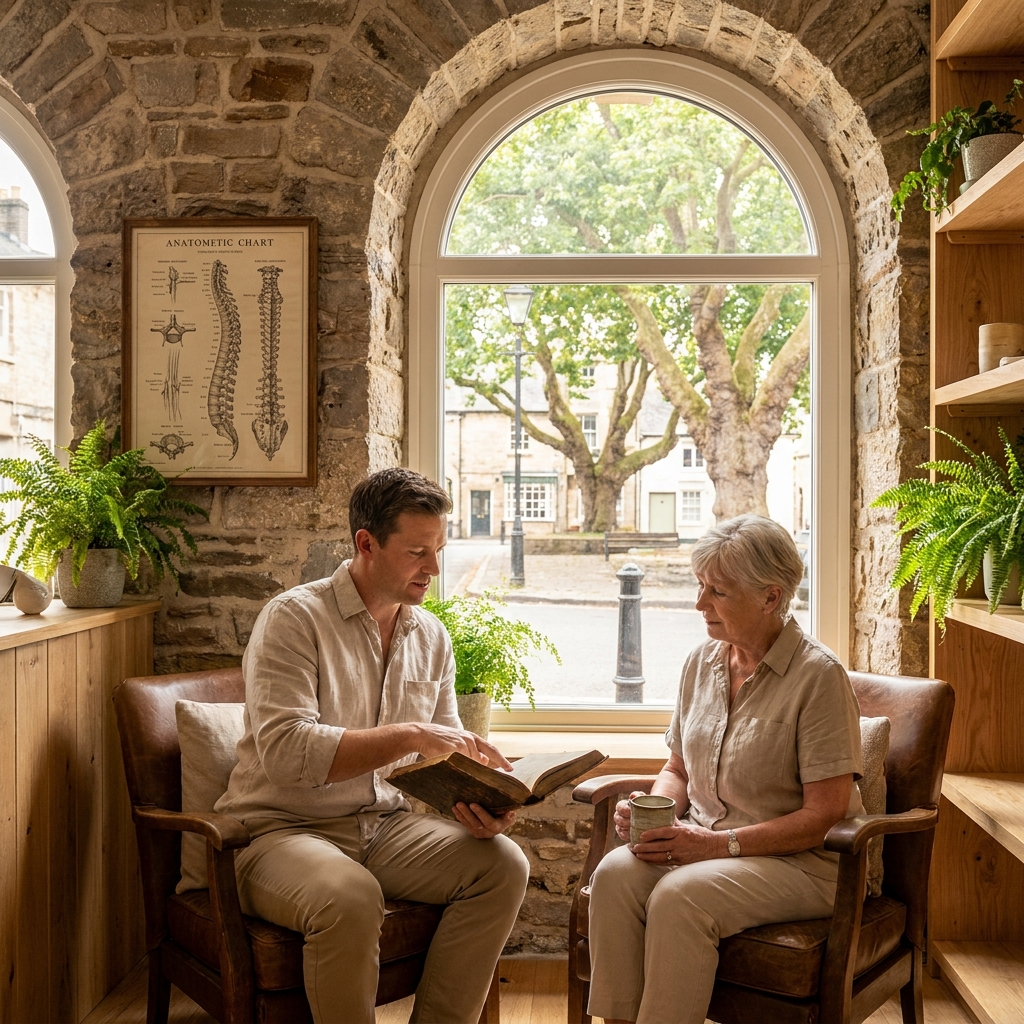
Your office can quietly honor local wellness heritage without feeling like a museum or theme park. Framed photographs of neighborhood landmarks, paired with short captions, can highlight how people once moved, worked, and rested in those spaces. A simple wall timeline might connect major moments in chiropractic history with meaningful events in your town. These visual cues invite patients to share stories about their families, their jobs, and their injuries. Those stories give you richer context for tailoring spinal assessments and care plans.
To keep history from becoming mere decoration, link each story to a clear health insight. A photo of factory workers, for example, can prompt a conversation about repetitive strain and modern workstation habits. An image of a historic sports field can lead into discussions about warm-up routines, hip mobility, and youth athletic screening. You can also highlight patient successes anonymously by tying them to familiar neighborhoods instead of abstract case numbers. This approach makes clinical progress feel rooted in the same streets patients walk every day. It reinforces the idea that better spinal alignment supports fuller participation in the places they love.
Designing Place-Based Patient Education Around Spinal Health
Place-based education means using real locations and shared experiences to explain complex concepts. Instead of describing generic lifting mechanics, you might reference the steep steps at a well-known courthouse or theater. Patients immediately understand the strain of carrying groceries, children, or equipment on those stairs. You can use that shared image to explain why core stability and hip strength protect the lumbar spine. When education feels that specific, patients are more likely to recall and apply your recommendations.
Structured tools make this approach easier to repeat consistently. Create handouts or posters that connect local environments to key spine-protective habits, such as walking routes that encourage gentle gradient changes, or neighborhood chores that invite safe bending and reaching. During progress reviews, ask patients where they feel most comfortable moving in town and where discomfort appears. Use those answers to refine home care plans that respect both their bodies and their routines. This method transforms your community into a practical classroom for everyday spinal health skills.
Supporting Preservation Efforts Through Chiropractic Events and Services
Chiropractic services can meaningfully support preservation efforts when planned with intention. Donation-based screening days or posture check events can raise funds for the maintenance of historic wellness sites. When you clearly communicate that proceeds benefit a specific restoration project, patients understand their visit contributes to something larger. Align the event’s education topics with the site’s role, such as safe walking strategies for a park or balance training near a riverfront path. This synergy deepens community pride while highlighting the importance of spinal stability and mobility.
To organize these initiatives, choose one site and one focused theme rather than many scattered efforts. Coordinate with local preservation groups so event messaging stays historically accurate and ethically transparent. Offer simple, actionable takeaways that help attendees feel improvement is possible, even from small habit changes. Consider recurring events that mark important dates in the building’s or neighborhood’s history. Consistent collaboration shows that your practice is committed to long-term stewardship, not just one-time publicity.
Connecting Generations Through Shared Wellness Heritage
Historic healing spaces naturally bring generations into conversation about movement, work, and rest. Older residents remember factory floors, farm chores, or long shifts that shaped their backs and joints. Younger patients may recognize only the renovated lofts or parks built on those same grounds. When you invite both groups into dialogue, each gains a clearer picture of how lifestyle and environment affect spinal health. Your role becomes that of translator, turning stories into practical strategies for comfort and resilience.
You can formalize this connection with small, recurring programs that center on gentle education and listening. Host evening gatherings where community members share memories of local wellness landmarks, followed by brief demonstrations of spine-friendly movements. Encourage families to attend together so children can hear how their relatives navigated physical demands without modern ergonomics. Close each session with one simple action step that everyone, regardless of age, can try at home. By linking alignment and mobility to shared heritage, you help patients feel rooted, supported, and more motivated to participate in their own chiropractic care.