

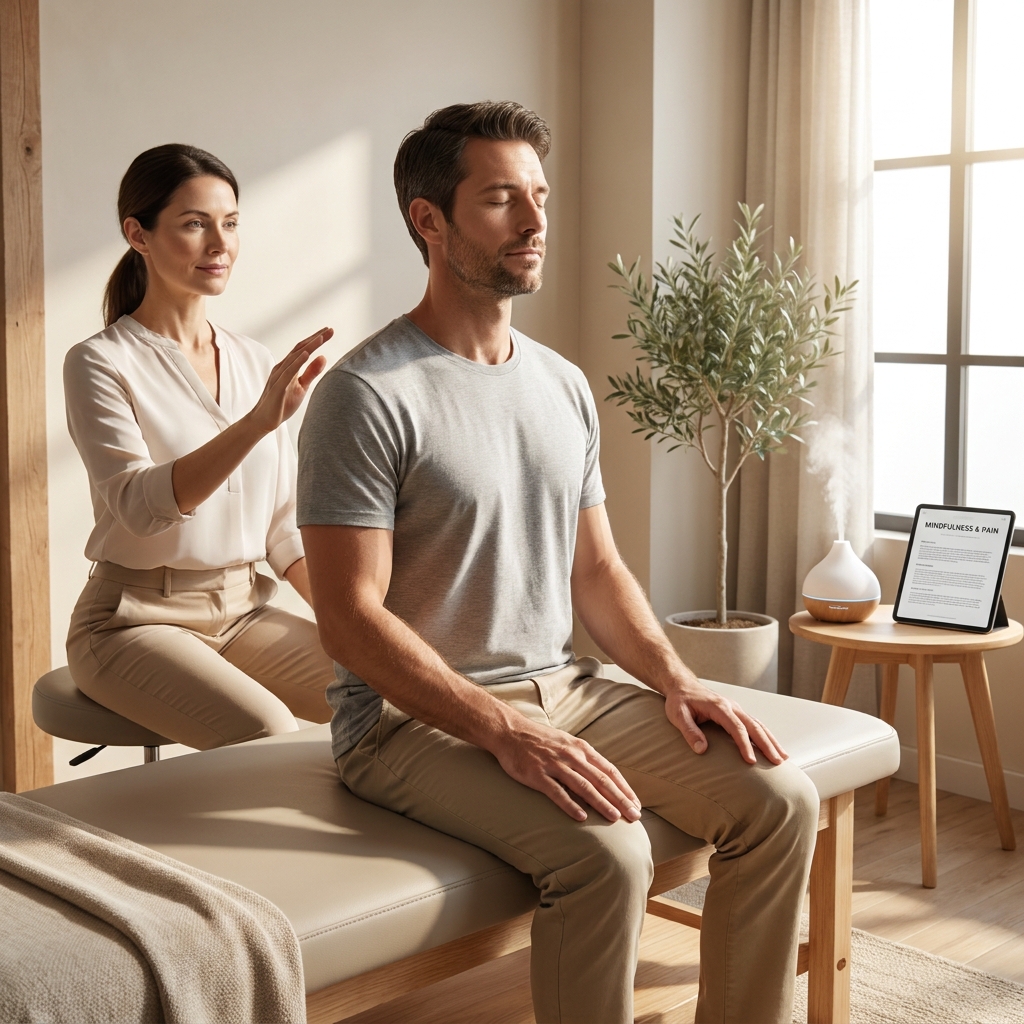
Mindfulness Keeps Showing Up in Health Headlines
Across recent health and lifestyle news, mindfulness is appearing in some unexpected places. Researchers are studying it in people living with hypertension, children undergoing cancer treatment, adults with opioid use disorder, and older adults at higher risk for dementia.
Community programs are weaving mindfulness into yoga classes for kids, pregnancy education, university life, workplaces, and even art galleries. Together, these stories highlight a simple pattern: when people learn to notice their inner world with more calm attention, it can influence how they experience stress, pain, and their own bodies.
For anyone focused on chiropractic care and spinal health, these same themes of emotional balance and body awareness can quietly support the way you move, rest, and respond to treatment.
What Current Research Is Saying About Mindfulness and the Body
Several scientific reports in recent days have examined mindfulness in medical settings. One systematic review and meta-analysis in a cardiovascular medicine journal found that mindfulness-based interventions were linked with meaningful reductions in depressive symptoms and anxiety among adults with hypertension.
In another study, a virtual program called My Healthy Brain enrolled older adults with subjective cognitive decline and elevated Alzheimer’s risk. At baseline, these participants showed multiple modifiable risk factors and low-average cognitive profiles. Mindfulness was one of the tools explored as part of this broader brain health approach.
Researchers at a university medical school also reported that adding ketamine to a mindfulness-based treatment for opioid use disorder may strengthen people’s ability to recognize and respond to internal body signals tied to craving and emotional regulation. That emphasis on internal body awareness is particularly relevant to anyone trying to listen more closely to how their muscles, joints, and spine feel throughout the day.
Another group of scientists reviewing 31 studies concluded that emotion regulation is the most consistently supported psychological process linking mindfulness to borderline personality disorder symptoms. In other words, learning to work with emotions more skillfully appears central to how mindfulness helps in that context.
Mindfulness, Pain, and Anxiety in Tough Medical Journeys
Mindfulness is also being studied alongside serious illnesses and difficult treatments. New research from a school of nursing showed that psychosocial interventions, including hypnotherapy and mindfulness, can significantly reduce pain and anxiety for children undergoing cancer treatment.
Related coverage highlighted that hypnosis and mindfulness may ease both pain and distress in this group. While this work centers on oncology, it underlines a broader idea showing up across the news: when people are given tools to calm the mind and focus attention, their experience of pain can shift.
In the realm of addiction, a series of articles described brain scan research looking at mindfulness, reappraisal, and savoring. These practices were shown to change responses to drug cues and everyday rewards, and these brain changes were tied to craving levels. Taken together with the opioid use disorder work, mindfulness is repeatedly being linked with new ways of relating to discomfort, urges, and stress inside the body.
Pregnancy, Prenatal Health, and Early Life
Mindfulness is appearing around pregnancy and early development as well. Public health lecturers at a university in Makassar recently provided education on sleep hygiene and mindfulness to pregnant women at a local health center, with a focus on preventing hypertension.
In another report, gas chromatography analysis connected prenatal mindfulness with shifts in placental fatty acids. These findings point toward the possibility that how an expectant parent relates to stress and awareness may be reflected in subtle biological changes.
For chiropractic patients who are pregnant or planning pregnancy, these stories echo a message many already value: gentle attention to rest, breath, and emotional health can be part of caring for both body and baby.
Mindfulness Spreading Through Schools, Workplaces, and Communities
Beyond research labs, many communities are experimenting with mindfulness in everyday life. A university program called Mindful USC offers free classes for students, with sessions on meditation, self-compassion, and nature-based practices to help people slow down and reconnect.
Castleisland Library is hosting KosyCubs Yoga and Mindfulness sessions, designed to give children tools they can carry into daily life. A yoga studio in New Jersey announced new kids’ programs aimed at helping young people navigate big feelings through movement and mindful awareness.
Workplaces are joining in too. Hotels in Goa and Karnataka recently observed an Emotional Health Month built around meaningful conversations, mindfulness activities, and everyday expressions of gratitude. One hotel introduced a ritual called One Good Thing, where staff begin shift briefings by sharing a positive moment or source of gratitude.
Elsewhere, a dental protection organization is offering a webinar exploring mindfulness as a way to support healthcare workers’ wellbeing, resilience, and compassion. Art spaces are getting involved as well: a gallery in Ireland is hosting an evening of mindfulness, slow looking, and reflection.
Where This Intersects With Your Spine and Chiropractic Care
Spinal health is never just about bones and joints. Every adjustment lands inside a nervous system that is responding to mood, stress, and how safe or threatened you feel in your own body.
The news stories above point to three themes that matter in a chiropractic setting:
- Emotional balance: Studies in hypertension, personality symptoms, and workplace wellbeing all highlight mindfulness as a tool for working with anxiety, low mood, and stress.
- Body awareness: Research in opioid use disorder suggests mindfulness can help people recognize internal body signals more clearly.
- Pain experience: Mindfulness-based psychosocial approaches are easing pain and anxiety in children with cancer.
When you bring these same capacities into your everyday life, you may notice earlier when your shoulders creep toward your ears, your low back tightens, or your posture collapses after a stressful call. That kind of noticing is not a replacement for chiropractic care, but it can complement it by helping you respond sooner and more gently between visits.
Mindfulness-Inspired Habits That Respect Your Spine
Drawing from the current news, you might experiment with a few simple, spine-friendly practices:
- Emotion check-ins with posture: Take a cue from workplace Emotional Health Month and pause once or twice a day to name one feeling you are having. Then briefly scan your neck, shoulders, and back for tension that pairs with that emotion.
- Gratitude for movement: Borrow the One Good Thing idea and acknowledge one thing your body allowed you to do today, such as walking, reaching, or stretching comfortably after an adjustment.
- Family-friendly pauses: Inspired by children’s yoga and mindfulness workshops, invite kids to join you in a short breathing break before or after screen time, each person noticing how their back is resting against the chair.
- Sleep hygiene plus body awareness: Following the pregnancy education example, pair your wind-down routine with a brief scan of how your spine feels on the mattress, adjusting pillows or position with more awareness.
- Gentle curiosity around pain: Echoing the cancer and addiction research, when discomfort flares, see if you can observe it with a few slow breaths before reacting, then share what you noticed with your chiropractor.
Questions to Bring Into Your Next Chiropractic Visit
The growing role of mindfulness in health care invites new conversations in the adjusting room. You might ask:
- Are there simple awareness exercises that could help me notice tension patterns between visits?
- How can I combine any mindfulness or relaxation practices I already use with the home exercises you recommend?
- What postural cues should I pay attention to during my day so I can support the work we are doing here?
As researchers, workplaces, and communities keep experimenting with mindfulness, you can borrow the parts that resonate and quietly weave them into your own spinal health routine, alongside the hands-on care you receive.