

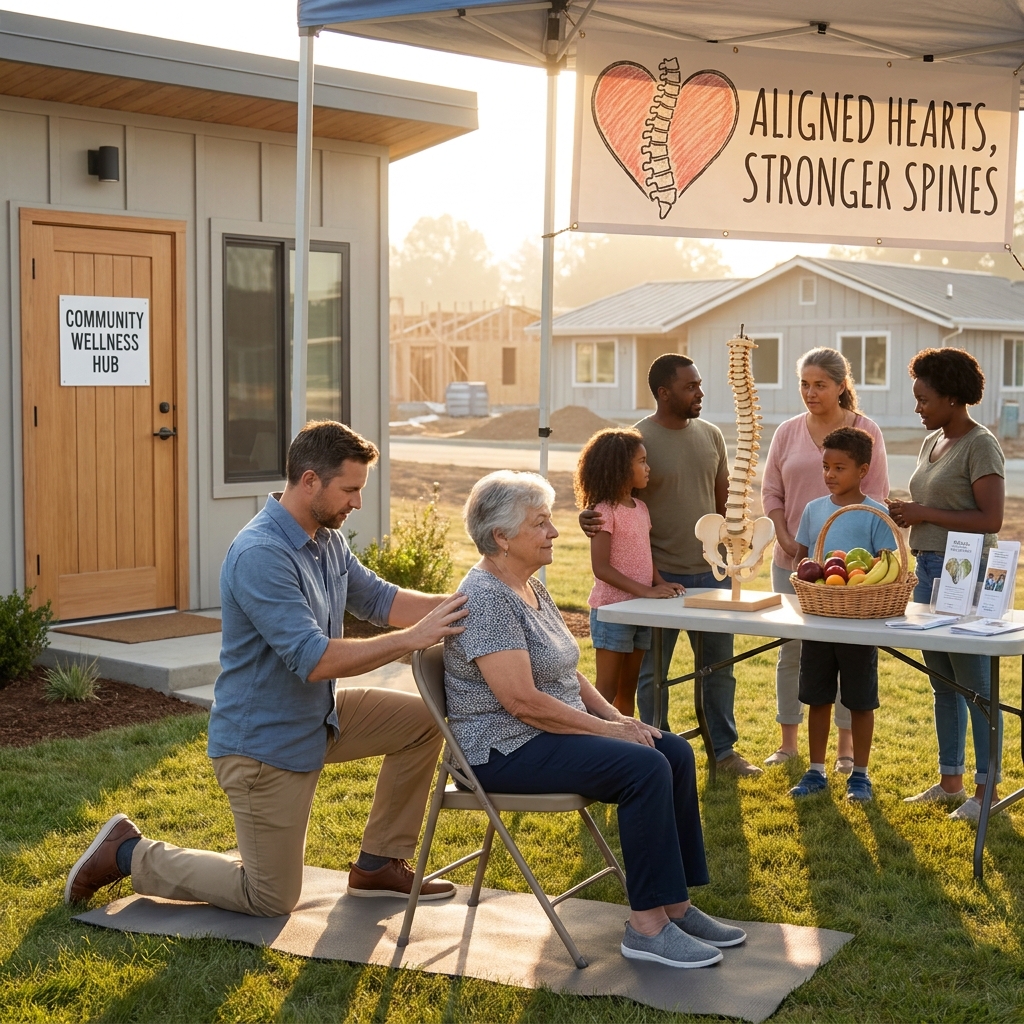
Aligning Spinal Health With Safe Shelter
Chiropractic care and spinal health are usually discussed inside well-equipped clinics, not crowded shelters or unstable housing. Yet many people living in shelters carry heavy bags, sleep on thin mattresses, and sit for long periods on hard chairs. These daily realities can intensify neck pain, back pain, and joint strain, making it difficult to work, rest, or focus on rebuilding life. When a spine is constantly guarded against pain, it becomes harder to feel safe or hopeful in any environment. Wellness philanthropy offers chiropractors a direct path to soften these burdens and bring stability where it is needed most.
Supporting shelter and housing initiatives is more than an act of kindness; it is a clinical extension of whole-person care. Housing insecurity often multiplies stress, muscle tension, and inflammation, creating a cycle that keeps people in pain and out of opportunity. By investing time, talent, and resources into shelter-focused philanthropy, chiropractic teams can interrupt that cycle. Care that eases pain can restore the ability to sleep better, walk farther, and participate in job training or family life. When clinics engage with shelters, they help vulnerable neighbors stand taller, both physically and emotionally.
Housing Instability and the Hidden Burden on Spines
People who rely on shelters or temporary housing rarely have ergonomic options for sleep or rest. Many sleep in positions that twist the neck or compress the low back, simply because space and bedding are limited. They often carry their belongings all day, placing uneven loads on shoulders, hips, and knees. Prolonged walking on city pavement or standing in service lines can amplify existing spinal issues and joint problems. These repeated micro-strains accumulate, turning manageable discomfort into persistent, disabling pain.
Stress from uncertainty about safety or housing also affects the spine and nervous system. When the body stays in a fight-or-flight state, muscles tighten and breathing becomes shallow, limiting natural mobility. Small injuries from falls, past accidents, or workplace strain may go untreated, gradually altering posture and movement patterns. Without access to regular care, people adapt by avoiding movement, which weakens stabilizing muscles and deepens dysfunction. Over time, pain may feel like an inevitable part of being unhoused rather than a treatable condition.
Wellness Philanthropy as a Natural Extension of Chiropractic Values
Chiropractic care is founded on respect for the body’s ability to heal when given the right support. Wellness philanthropy brings that belief into communities where traditional access to care is limited or nonexistent. Instead of treating impact as a marketing project, it treats service as a clinical responsibility. By aligning charitable efforts with their core skills, chiropractors ensure that every donated hour or dollar supports real, measurable relief. This connection helps teams feel purpose-driven while honoring their training and expertise.
For vulnerable populations, the gesture of being seen and treated like any other patient can be profoundly stabilizing. A calm adjustment, clear explanation, and gentle touch communicate dignity as powerfully as they relieve pain. When clinics show up consistently for shelters, they demonstrate that spinal health is a right, not a luxury. This consistency builds trust between providers, shelter staff, and residents, making ongoing collaboration more effective. Over time, wellness philanthropy becomes a shared language of respect, not just an occasional event.
Practical Ways Clinics Can Support Shelters and Housing Programs
Chiropractic practices can engage shelters in ways that fit different sizes and schedules. Some clinics designate specific days where a portion of fees directly supports local housing programs. Others donate a set number of new-patient visits each month, reserved for shelter referrals coordinated with case managers. Providing transportation vouchers or partnering with ride services for these visits can help residents actually access the care offered. Even small, predictable commitments can accumulate into meaningful structural support.
In-kind donations tailored to spinal health can also create immediate comfort within shelters. Clinics can organize drives for supportive pillows, blankets, and simple lumbar cushions selected with professional guidance. They may provide educational posters showing gentle stretches that can be done on cots, chairs, or limited floor space. Lightweight resistance bands or small posture supports can be donated with easy-to-follow instructions for residents and staff. When these items are paired with education, they become low-cost tools for daily relief rather than temporary comforts.
Designing Outreach Clinics That Respect Trauma and Dignity
When providing hands-on care in shelters or transitional housing centers, trauma-sensitive planning is essential. Many residents have experienced medical bias, personal loss, or physical danger, and may be cautious with touch. Clear communication about each step of assessment and adjustment helps rebuild a sense of control. Offering options, such as seated or standing techniques, allows individuals to choose what feels safest. Short, focused visits that prioritize listening can be as powerful as longer traditional sessions.
Physical setup also shapes how safe and respected people feel during care. Whenever possible, create a semi-private area with screens or partitions to support confidentiality. Allow time between residents so no one feels rushed or exposed during intake. Use simple, non-technical language while still honoring the complexity of their bodies and experiences. By treating every shelter-based session with the same professionalism as an in-office visit, chiropractors communicate that each spine matters equally.
Partnering With Shelter Staff to Prevent Future Spinal Strain
Shelter and housing staff are often lifting supplies, moving furniture, and assisting residents with mobility. Without practical training, these daily tasks can quickly produce their own back and neck issues. Chiropractors can host brief workshops that demonstrate safer lifting, pushing, and carrying strategies tailored to each facility’s realities. Simple guidance on arranging beds, chairs, and storage can reduce awkward bending and twisting. Supporting staff health also strengthens the entire environment that residents depend on every day.
Residents benefit from clear, repeatable education that matches shelter conditions rather than idealized home setups. Chiropractors can show how to roll from side-lying to sitting without jolting sensitive joints, even on thin bedding. Short routines for morning stiffness or evening wind-down can be designed to fit crowded sleeping areas. Visual handouts help people remember movements when stress or fatigue affects concentration. Empowering residents with small, safe self-care actions makes each adjustment session last long after the visit ends.
Engaging Patients in Shelter-Focused Wellness Philanthropy
Clinic patients often want to support meaningful causes, especially when they understand the health impact. Chiropractors can invite them into shelter partnerships through donation-matching campaigns or seasonal giving drives. Sharing anonymized stories about reduced pain, improved mobility, or better sleep helps patients see concrete results from their participation. Some practices host volunteer days where staff and patients assemble care kits that include educational flyers and simple comfort items. These shared efforts strengthen the clinic’s internal community while extending care outward.
Communication about philanthropy should always center dignity, not pity. Emphasizing resilience and potential protects residents from being portrayed as helpless recipients. Clinics can highlight how improved spinal health supports job readiness, parenting, and community participation among shelter residents. By tying every initiative back to clear wellness outcomes, the message remains aligned with professional values. Over time, this clarity builds a recognizable identity as a practice that stands with vulnerable neighbors.
Measuring Impact and Sustaining Your Commitment
To keep wellness philanthropy grounded and sustainable, clinics need simple ways to observe change. Shelter partners can help track attendance at outreach days, follow-up visits, or workshops. Informal feedback about residents sleeping longer, walking farther, or using fewer pain medications can guide future programming. Chiropractors may also notice common patterns of dysfunction that suggest new educational needs or ergonomic improvements. These observations become a feedback loop that continually refines service.
Long-term commitment does not require large budgets, but it does demand consistency and boundaries. Practices can start with one shelter, one project, and one reliable schedule, then expand carefully. Clarifying how many hours or visits the team can provide prevents burnout and protects regular patients. Regular check-ins with shelter leaders keep expectations realistic and respectful on both sides. As partnerships mature, chiropractic care and spinal health become woven into the broader safety net that helps people move from survival to stability.