
Planting a Wellness Heritage Around Spinal Health
Heirloom seed saving may sound like a hobby for gardeners, but it carries a powerful message for chiropractic care and spinal health. Seeds that are saved and passed down over generations echo the same values chiropractors hold dear: consistency, prevention, and respect for how the body was designed to function. When a practice embraces heirloom and rare plants, it creates a living metaphor for long-term spinal wellness instead of quick fixes. Patients begin to see their health not as an isolated episode but as something they are stewarding for the next generation. That mindset shift can make every adjustment and exercise plan feel more meaningful and sustainable.
Rare and heirloom plants highlight diversity, resilience, and the importance of supporting the right environment for healthy growth. This is strikingly similar to how chiropractors look at posture, movement, and nervous system function. Instead of focusing only on pain, providers help patients cultivate solid foundations so the spine can thrive over time. Introducing patients to the idea of wellness heritage through seed saving gives them a tangible way to understand that health habits can be preserved, protected, and passed on. That connection deepens trust and opens creative conversations about lifestyle changes that support spinal alignment.
Heirloom Wellness: What Seed Stewardship Teaches About Spinal Care
Heirloom seeds are valued because they are stable, time-tested, and capable of reproducing reliably when cared for properly. Spinal health works the same way; healthy patterns of movement, ergonomics, and nervous system support create reliable results when they are consistently maintained. When chiropractors talk about wellness using the language of seed stewardship, complex ideas become easier for patients to grasp. Patients quickly understand that skipping self-care is like skipping a planting season: it becomes harder to regain what was neglected. This comparison encourages them to see spinal care as a patient, ongoing process rather than a single appointment.
Seed saving also teaches the importance of environment and conditions, which parallels how posture and daily habits affect the spine. A rare plant may struggle if the soil, water, or light is wrong, even if the seed itself is strong. Likewise, a person’s spine can only adapt so far if their workstation, sleep habits, and movement routines are constantly stressful. Using heirloom plant stories, chiropractors can help patients understand why adjustments, exercises, and ergonomic changes must all work together. The seed becomes a symbol that health is potential, and lifestyle is the environment that lets that potential flourish.
Rare Plants as Living Stories of Family and Community Health
Many heirloom and rare plants come with stories about the families, cultures, or regions that preserved them. In a chiropractic setting, these stories can be powerful conversation starters about family health patterns and inherited habits around movement and posture. A plant whose seeds were saved by grandparents and passed down becomes a natural bridge to discuss how beliefs about pain, activity, and aging also travel through generations. This helps patients recognize that they are not just inheriting genetics but also routines, chairs, mattresses, and work styles. By inviting patients to reflect on what they want to pass forward, chiropractors can gently guide them toward healthier spinal traditions.
Rare plants also remind patients that diversity matters, not only in a garden but in a movement routine. A garden filled with only one plant is fragile, and a body that only practices one posture or one type of movement becomes equally vulnerable. Chiropractors can use this analogy to encourage patients to vary their positions, change how they sit, stand, and lift, and incorporate a mix of strengthening, mobility, and balance work. A rare plant display in the waiting area, accompanied by its story, can become a visual cue for variety and resilience. Patients start to connect the idea that protecting rare species resembles protecting their unique spine and its specific needs.
Creating a Wellness Heritage Garden Around Your Practice
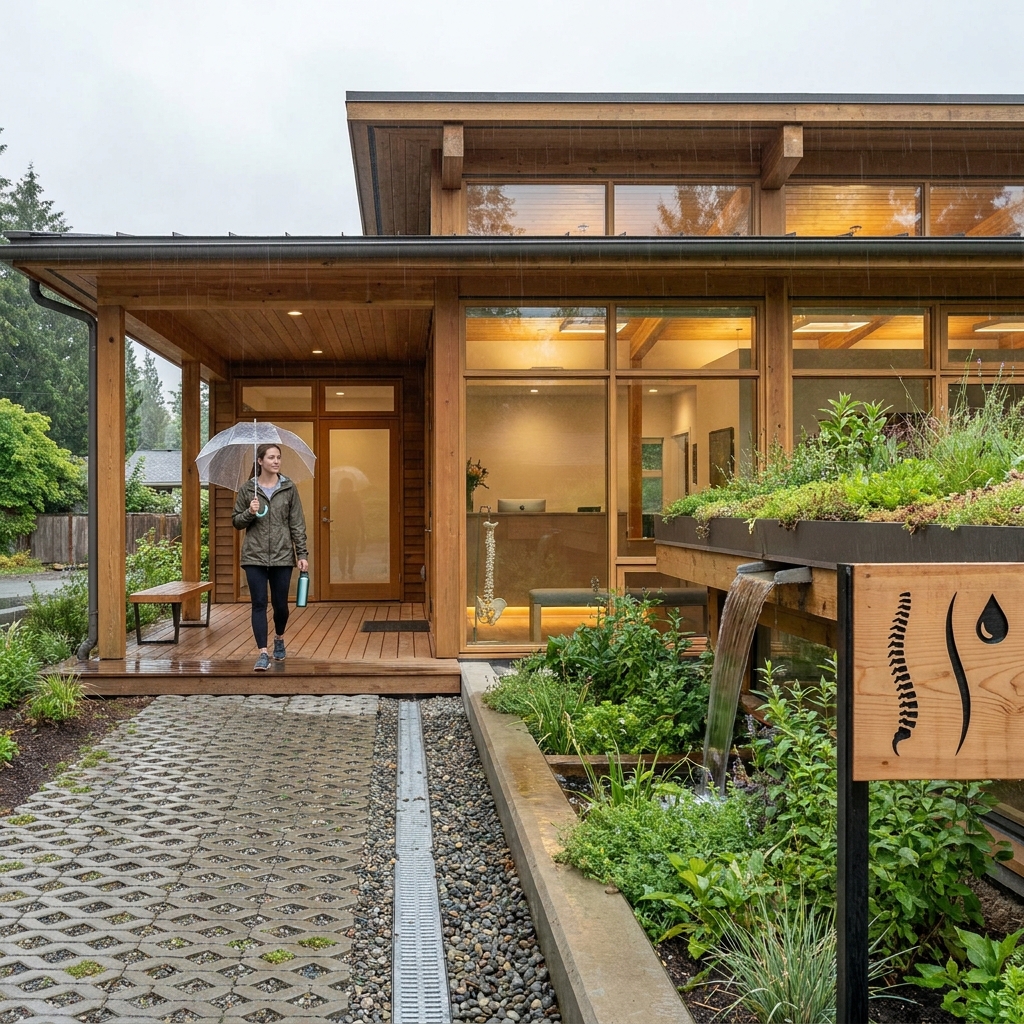
A small heritage garden outside or near a chiropractic office can transform the way patients experience care before they even step inside. Rows of labeled heirloom plants send a quiet message that this practice values time, patience, and continuity. Even if space is limited, a few large containers with carefully chosen varieties can spark curiosity and conversation. Patients who walk past these living displays are reminded that growth is gradual and that consistent care yields the best results. That visual reminder can reinforce their commitment to regular appointments and home exercises.
The garden can also be integrated into education about body mechanics and daily movement. Bending, reaching, and carrying watering cans can be used to demonstrate safe strategies for lifting and spinal alignment. During short outdoor demonstrations, chiropractors can show how to hinge at the hips, engage core stability, and protect the neck while tending plants. Patients see firsthand that everyday tasks, such as gardening, can either support or stress the spine depending on technique. Over time, the heritage garden becomes a real-world classroom where spinal health is practiced, not just discussed.
Seed Saving Rituals That Anchor Healthy Habits
Seed saving involves mindful steps: selecting the right plant, waiting for full maturity, collecting seeds at the right moment, and storing them carefully. Chiropractors can use this ritual as a template for building health routines that support the spine. Just as gardeners mark their calendars to harvest seeds, patients can schedule time for spinal stretches, strengthening, or posture breaks. The act of labeling seed envelopes can inspire labeling exercise bands or placing reminders around a workspace. This creates tangible links between the care of seeds and the care of the spine.
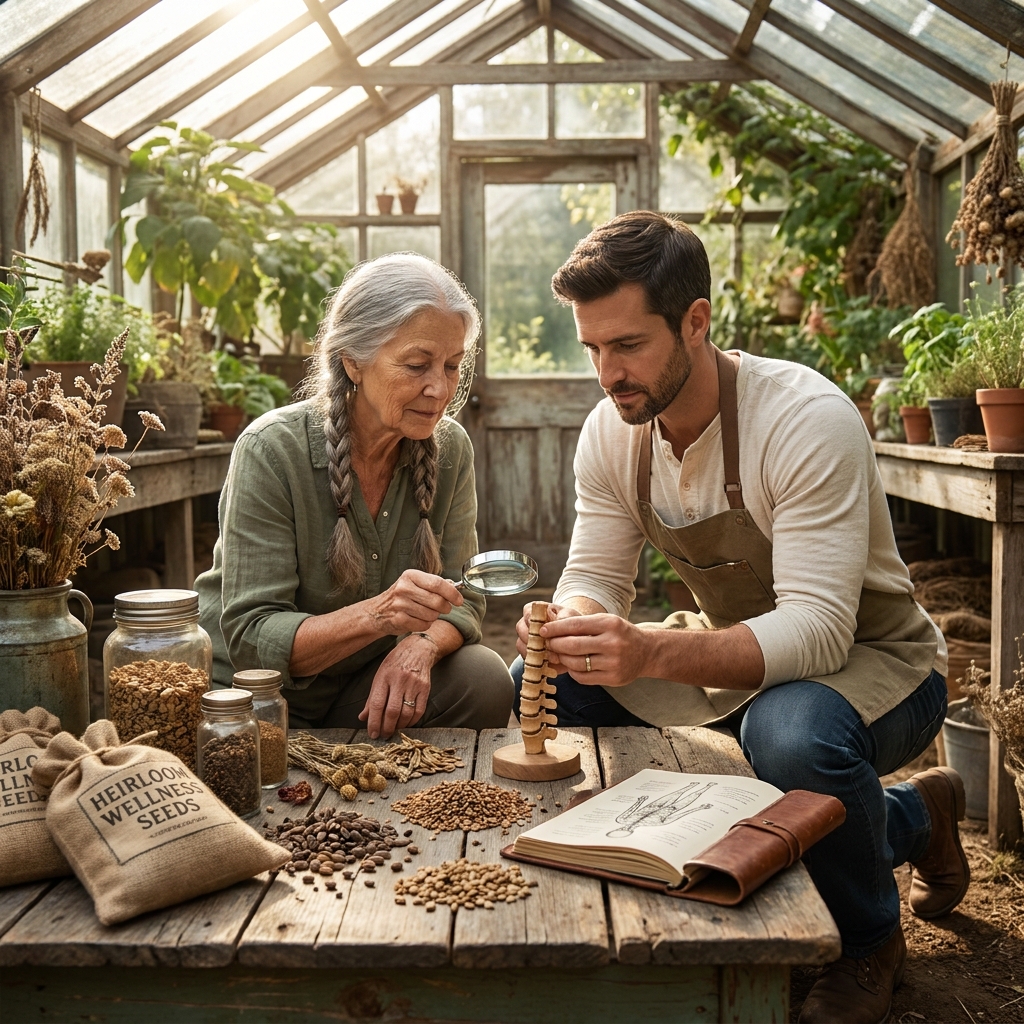
Practices can even host simple seed-saving demonstrations to show how small, repeatable actions create long-term benefits. While teaching how to dry and store seeds, the chiropractor or team member can weave in reminders about consistent hydration, movement breaks, and sleep routines. Attendees begin to associate these tiny, steady behaviors with preserving their own wellness heritage. When patients take home a packet of saved seeds, it becomes more than a gardening project; it becomes a physical reminder to keep showing up for their spine. Each planting season then reinforces the idea that old habits can be replaced with healthier ones through deliberate repetition.
Engaging Patients and Families in Heritage Plant Projects
Heirloom seed saving becomes even more powerful when families participate together. Chiropractic practices can invite patients to share stories of plants from their childhood, such as a grandparent’s favorite variety or a traditional food they remember. Collecting these stories and, where possible, the seeds themselves, turns the practice into a small hub of wellness heritage. Children can be encouraged to draw or label plant markers while learning age-appropriate facts about posture, backpack fit, and safe play. This family involvement makes spinal health education feel positive, collaborative, and rooted in shared memories.
Group planting days, seed swaps, or seasonal open houses can be structured to include short spine-friendly movement sessions. Before participants start working with soil, a chiropractor can lead a gentle warm-up that teaches safe squatting, reaching, and lifting. Handouts can provide simple instructions on neutral spine positions for gardening at home. Families leave not only with seeds but with clear, actionable guidance on protecting their backs during household tasks. Over time, these shared experiences help move spinal health from a private concern to a visible, celebrated part of community life.
Getting Started With Heirloom Seed Stewardship in Your Practice
Chiropractors do not need gardening expertise to bring heirloom concepts into their wellness message. Starting small is often more impactful and manageable. A single display of labeled seed jars in the reception area, each with a short note about patience, resilience, or continuity, can open meaningful conversations. Practices can partner with local gardeners, seed libraries, or community groups to source varieties and accurate planting information. This collaboration reinforces the idea that wellness, like seed preservation, is strengthened through supportive networks.
From there, practices can gradually expand into patient workshops, seasonal planting events, or small heritage beds on-site, always linking the experience back to spinal health. Every project should point to the same core message: strong spines, like stable plant lines, are the result of steady care over time. When patients see themselves as stewards of both their seeds and their nervous systems, daily health choices gain deeper purpose. The result is not just a greener clinic, but a culture where wellness heritage is something patients can see, touch, and pass on. In that environment, chiropractic care becomes a living legacy, rooted in both science and tradition.