

Micro-Mindfulness Rituals That Fit a Spine-Friendly Life
When you live with a sensitive spine, it is easy to focus only on stretches, exercises, or hands-on care. Yet a growing stream of mindfulness stories and research points to something simpler that can quietly support your whole system: very short moments of focused attention woven into your normal day.
Recent university announcements describe how just ten minutes of daily mindfulness can boost wellbeing, help combat depression and anxiety, and even inspire healthier lifestyle choices. Another three-week online self-compassion meditation program produced improvements in body appreciation and positive wellbeing, while reducing negative feelings about the body. For people trying to care for their spine, those shifts in mood, confidence, and everyday choices are part of the bigger healing picture.
Small Time Investments, Noticeable Mind Benefits
One review of stress-reduction programs in higher education found that mindfulness and cognitive behavioral approaches currently lead the way as university stress interventions. A separate meta-analysis of nearly 150 randomized trials reports that digital mindfulness, acceptance, and compassion programs create small-to-moderate improvements in adult wellbeing and mental health, even when people follow along on a screen.
You also do not need long sessions. A fitness trainer living with ADHD describes a five-minute mindfulness practice that helps her shift from a mind going a mile a minute to something calmer and more restful. Another writer shares a monk-inspired twenty-second reset that can support daily wellbeing as a quick “micropractice” when done consistently. For many patients juggling work, family, and spinal flare-ups, that kind of tiny, repeatable ritual is far more realistic than a long retreat.
Mindful Walking: From “Stop Scrolling” to Smoother Steps
An outdoor writer recently invited readers to “stop scrolling” and rediscover the lost art of simply walking, using five mindful hiking steps she has picked up over years on the hills. She notes that even veteran hillwalkers may scoff at the idea at first, because mindful hiking takes deliberate effort.
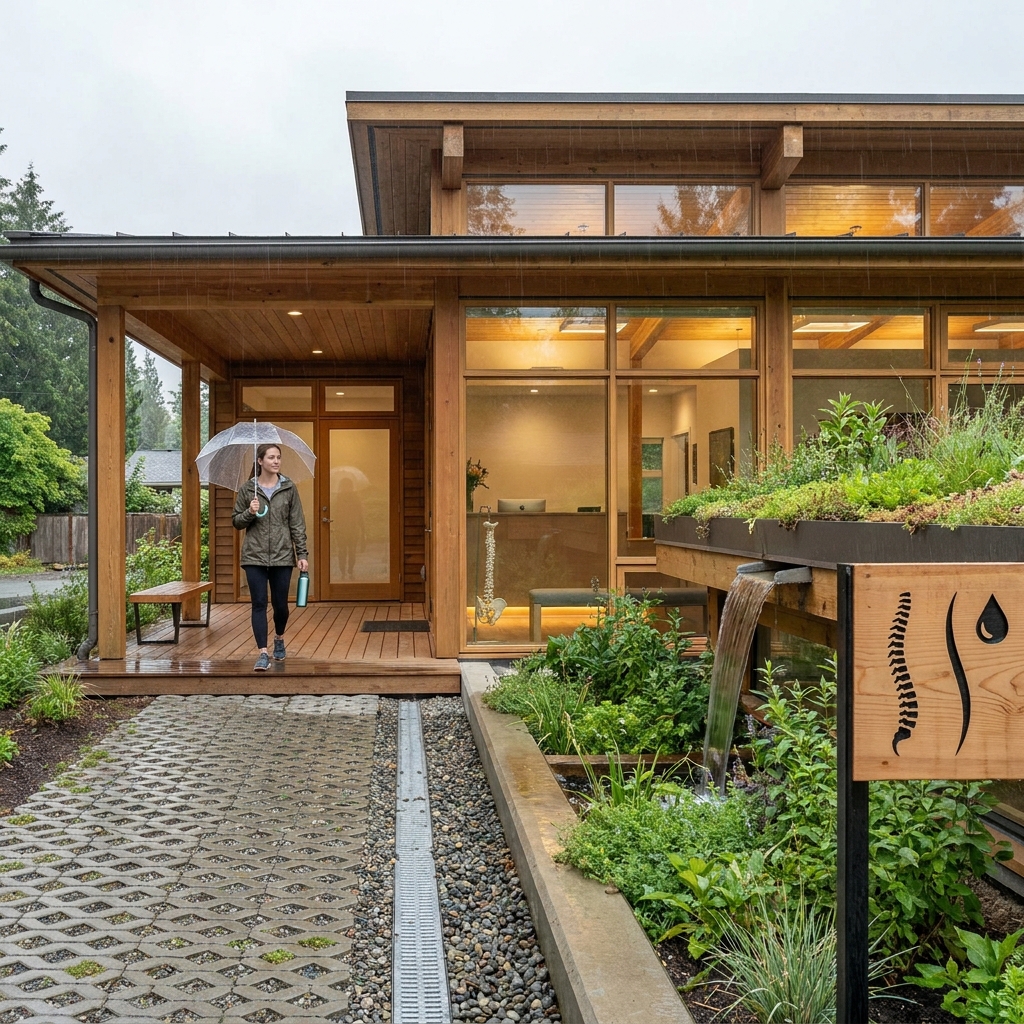
You can borrow that same spirit on an ordinary sidewalk. The next time you walk into or out of your chiropractic appointment, treat those few minutes like a miniature mindful hike. Put your phone away, notice the feel of your feet on the ground, and let walking itself be your focus instead of the latest headline. This kind of attentive walking does not replace structured rehab, but it can turn routine steps into a calmer transition for your nervous system.
Mindful Meals That Encourage Body Confidence
Several recent stories connect mindfulness at the table with a more peaceful relationship to food and the body. A nutrition expert describes how taking seven mindful breaths before a meal can transform eating habits, encourage portion control, and make healthy living more sustainable. Another article explores festive eating without guilt, showing how mindful eating lets people enjoy traditional sweets while maintaining balance instead of punishing workouts or skipped meals.
One columnist observes that mindfulness at the table helps everyone savor the meal, while a new three-week self-care meditation program has been shown to improve body appreciation and positive wellbeing. Together, they sketch a picture of eating that is slower, kinder, and less ruled by shame. For someone coping with back or neck discomfort, that same kindness can carry into posture at the table: choosing a seat height that feels supportive, pausing to notice how your spine feels while you chew, and standing up for a short stroll between courses when you need to ease stiffness.
Mindfulness, Recovery, and Your Nervous System
Mindfulness is also showing up alongside more complex health journeys. New research on cancer survivors suggests that mindfulness and Tai Chi may help reduce pain, fatigue, and stress while improving recovery. At the same time, interviews with adolescent and young adult survivors reveal that many people eventually lean more on exercise, family accountability, and peer connection when formal mindfulness practices no longer fit their lives.
Elsewhere, a mindfulness teacher in Sedona is focusing a new podcast on nervous system resilience and self-trust through life transitions. A brief mindfulness exercise at the start of adolescent psychotherapy sessions has been linked with positive effects on psychological symptoms. Short mindfulness courses for employees and graduate students are being offered to help with stress, balance, and feeling more connected at work or school.
All of this suggests that nervous systems respond not only to structured treatment, but also to small, repeatable practices, movement, and social support. For someone under chiropractic care, that is a reminder that your spine is carried by a whole person whose stress levels, relationships, and resilience matter.
Family, Kids, and Everyday Calm-Down Tools
Mindfulness is increasingly being shaped for families and children. One animated series for young viewers is introducing calm-down tools and simple strategies to kids and caregivers. An airline has added in-flight mindfulness content so children can manage anxiety, stress, and sleep while traveling. A new children’s book follows a character learning kindness, turning everyday moments into lessons kids can carry with them.
If back or neck pain affects your whole household, these kinds of resources may help create a calmer background tone at home. A few minutes of guided breathing or storytelling can make bedtime gentler for kids, which often means less lifting, carrying, or late-night tension for the adults whose spines are already working hard.
Easy Ways to Pair Mindfulness With Your Chiropractic Routine
None of these mindfulness stories claim to cure spinal problems, and they are not a substitute for personalized assessment or treatment. What they do offer is a menu of realistic rituals you can experiment with around the care you already receive.
- Before meals: Try seven mindful breaths, as one nutrition expert suggests, noticing your spine against the chair and letting your shoulders soften.
- During walks: Borrow the “stop scrolling” idea from mindful hiking and give yourself a few uninterrupted, phone-free minutes to notice each step.
- In busy moments: Use a twenty-second reset or a five-minute pause to check in with your breath when stress starts to climb.
- After appointments: Treat the time leaving the clinic as a quiet transition, combining relaxed breathing and gentle, attentive walking back to your car or home.
- With family: Explore short, age-appropriate calm-down tools with children so the whole household shares a common language of slowing down and breathing.
Your chiropractor focuses on the mechanics of your spine; these micro-mindfulness rituals focus on the context your spine lives in all day long. Research and real-life stories across universities, clinics, homes, and hiking trails all point in the same direction: small, consistent moments of attention can support mood, body confidence, and nervous system balance. Bringing them alongside your chiropractic care gives your spine a calmer, more caring environment in which to heal.