
Mindful Creativity: A Gentle Companion to Chiropractic Care
Spinal pain rarely shows up alone; it usually travels with stress, worry, and mental fatigue. For many chiropractic patients, the mind races even while the body is lying still on the table. Mindfulness in creative environments offers a different doorway into relaxation, giving the nervous system something calm and engaging to rest on. When thoughtful design, soothing visuals, and simple creative activities surround a visit, patients often find it easier to breathe, soften, and receive care. Chiropractic adjustments remain the clinical centerpiece, but mindful creativity can gently support every step that happens before and after hands touch the spine.
Mind–Body Calm That Supports Every Adjustment
Pain, stress, and muscle tension tend to form a tight loop that keeps the spine under constant pressure. The more a patient worries about hurting, the more the nervous system stays on alert, asking muscles to brace and protect. Mindfulness redirects attention toward neutral sensations like breathing, temperature, and contact with the chair, which can dial down that alarm response. Placing mindfulness inside a creative setting, such as a calm art-filled corner of the clinic, gives the mind a focal point that feels safe and interesting rather than clinical. As mental tension eases, many patients notice their shoulders dropping, jaws unclenching, and low backs settling, all of which prepares the body for more effective chiropractic work.
Creative mindfulness also supports the way patients interpret their symptoms. Instead of treating every twinge as a sign that something is wrong, they practice observing sensations with curiosity, just as they would study colors or shapes on a page. This shift from fear to observation can reduce the emotional intensity wrapped around pain, even when the structural issue still needs care. Within that calmer mindset, chiropractors can explain findings and recommendations to a person who feels more grounded and receptive. The result is often clearer communication, better follow through on home exercises, and a more collaborative healing process.
Designing Creative Mindfulness Zones in the Clinic
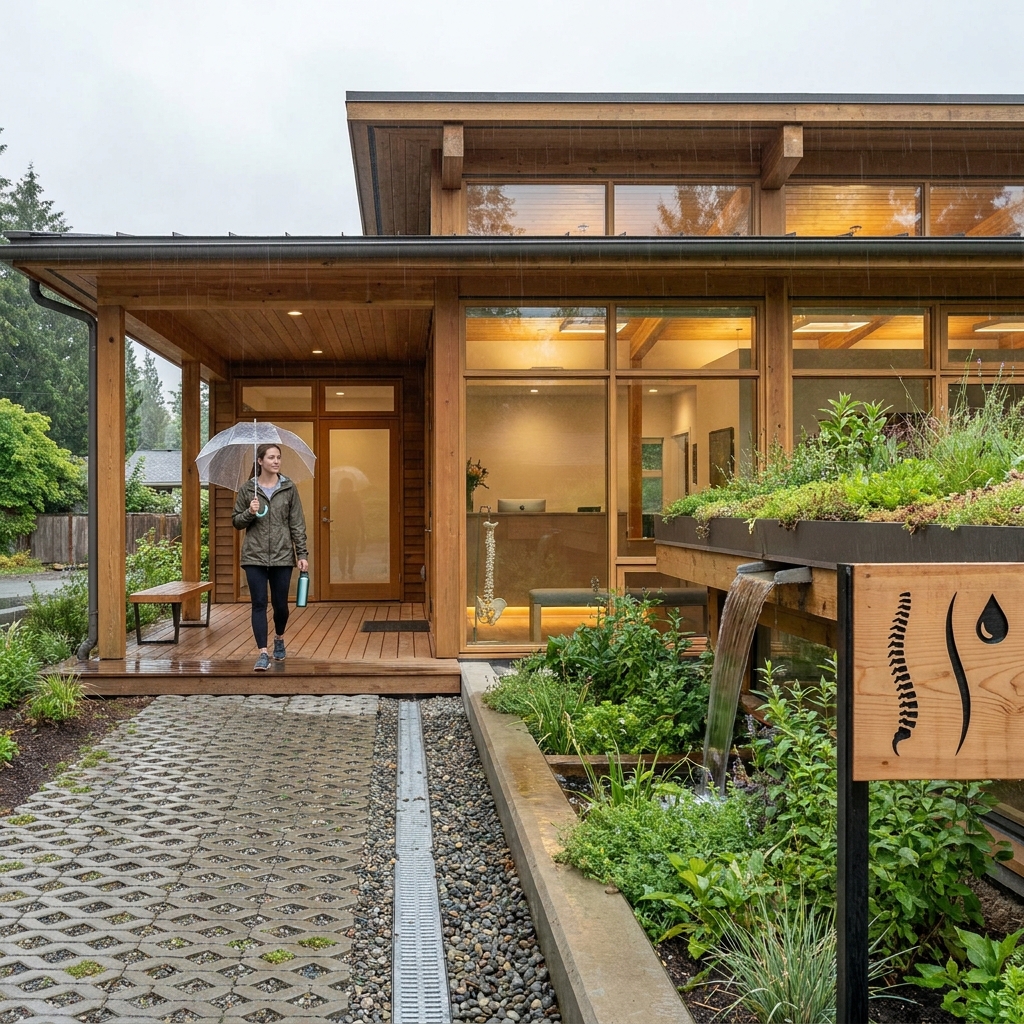
Creative mindfulness zones do not require large spaces or expensive renovations. A single alcove with upright chairs, gentle lighting, and one thoughtfully chosen wall image can set the tone. The key is aligning every element with spinal health, from seating that supports neutral posture to tables that allow patients to lean without rounding their backs. Colors, textures, and imagery can be chosen to suggest length, openness, and fluid movement rather than clutter or visual noise. Clear pathways, minimal trip hazards, and adjustable seating show patients that their bodies are being considered even before the first adjustment begins.
Sound also shapes how creative spaces feel in a chiropractic clinic. Soft instrumental music, gentle nature recordings, or even quiet white noise can help mask outside distractions and reduce startle responses. When patients are invited to notice the rise and fall of their breath in time with the rhythm, the auditory environment becomes a built in mindfulness cue. Simple signage can encourage this by offering a brief invitation, such as pausing to feel the spine settle against the chair before picking up a pencil or booklet. Over time, these small, repeated prompts teach the nervous system that this office is a place where the mind and back are allowed to rest.
Gentle Creative Practices for the Waiting Room
Waiting time can either fuel anxiety or gently drain it away. When the minutes before an adjustment are filled with mindless scrolling, the neck often cranes forward, shoulders round, and stress climbs higher. Replacing that habit with low effort creative activities gives the body a chance to unwind while the mind stays pleasantly occupied. Coloring pages, simple line drawing cards, or guided sensory reflection sheets can be chosen to match the clinic population and brand. Each activity can quietly emphasize alignment, inviting patients to notice their sitting bones, lengthen through the crown of the head, and soften the muscles around the spine as they participate.
Instructions for these activities can weave mindfulness into plain language. Instead of artistic pressure, offer permission to be imperfect and curious, reminding patients that there is no right or wrong way to fill a page. Short cues might suggest inhaling as they trace a line upward, then exhaling as they trace down, or pausing every few minutes to notice contact between their feet and the floor. This blend of gentle structure and freedom helps different personalities find their own entry point into relaxation. As the body softens in the waiting room, the chiropractic table becomes a more familiar, less intimidating next step rather than a cold starting line.
Mindful Focus During Adjustments and Rehab Exercises
Creative mindfulness does not stop once the adjustment begins. Many patients benefit when the treatment room quietly echoes the same cues found in the waiting area, creating a consistent sensory story. A single image on the ceiling or wall can encourage awareness of length through the spine, while soft colors invite the eyes to rest rather than strain. Chiropractors can guide short attention practices, such as asking patients to notice three places where the table supports them before a manual contact is made. These techniques help individuals stay present without clenching, making it easier to follow breathing cues and let postural muscles release at the right moment.
Rehabilitation exercises also become richer when paired with mindful attention. Instead of rushing through repetitions just to reach a number, patients can be asked to track the quality of movement and the way surrounding muscles respond. A therapist might compare spinal motion to drawing a smooth, continuous line, encouraging steadiness over speed. Inviting patients to describe sensations in nonjudgmental terms like warm, heavy, or spacious turns each exercise into both a physical and awareness practice. This cultivates better body literacy, so early signs of strain or fatigue are noticed before they escalate into new episodes of pain.
Extending Creative Mindfulness to Home Spine Care
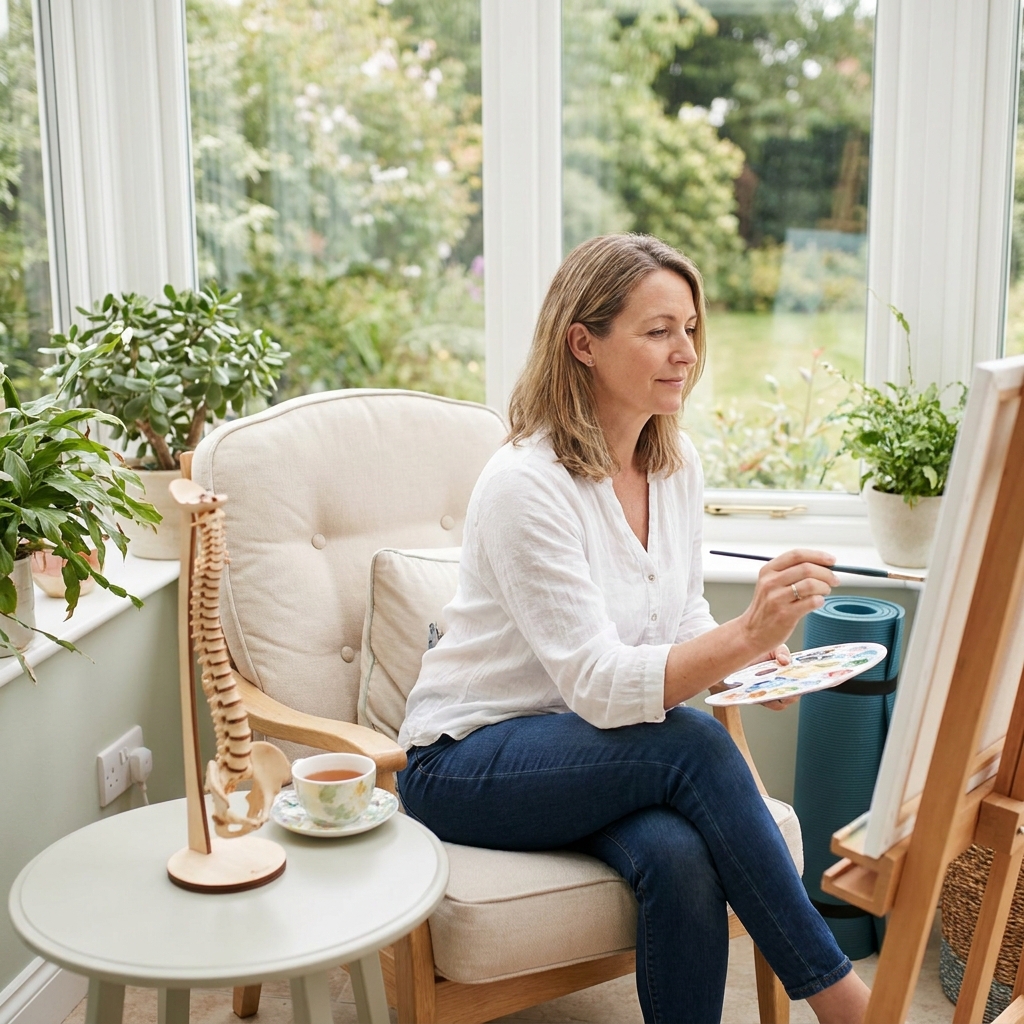
Creative environments at home help reinforce what happens inside the clinic. Patients can be encouraged to choose a small corner where spinal exercises, stretching, and brief mindfulness practices always occur. Placing a simple sketchbook, journal, or set of colored pencils there can turn the area into a personal reflection studio that feels inviting rather than clinical. Before or after performing assigned movements, individuals can spend a few minutes noting how their back feels, capturing words, colors, or shapes that match their sensations. Linking creative play with home care builds positive associations, making adherence more likely on busy or difficult days.
Mindfulness cues can be tailored to the specific spinal goals discussed with the chiropractor. Someone working on posture might write a short phrase about standing tall at the top of each journal page, then pause to embody that alignment before writing. Another person managing recurring low back discomfort may choose to color seated on a firm chair with both feet grounded, practicing supportive sitting while relaxing the upper body. Patients can bring these creative reflections to follow up visits, giving the provider a richer picture of how their spine behaves between appointments. Together they can adjust both the care plan and the mindfulness routine to match changing needs.
A Stepwise Plan for Chiropractic Teams
Implementing creative mindfulness in a chiropractic setting works best when the entire team understands the purpose. Staff can begin by identifying moments in the visit that typically feel rushed, tense, or confusing for patients. Those touchpoints then become prime opportunities to add small, calming design choices or short guided practices. Front desk team members might learn one or two simple phrases that invite patients to take a grounding breath while checking in or completing paperwork. Clinicians can decide which exercises and adjustment positions are safest for incorporating awareness cues, so messaging stays consistent and supportive.
Starting with a pilot phase keeps the process manageable and measurable. A clinic might refresh one waiting area, introduce two or three creative handouts, and track patient feedback for a month. Questions can focus on perceived relaxation levels, ease of understanding care instructions, and willingness to practice at home. As patterns emerge, the team can refine which activities suit their population and which design elements truly encourage spinal ease. Over time, the practice evolves into a place where mindful creativity is woven through every interaction, helping patients associate chiropractic care with safety, inspiration, and steady progress.